
Turn Overlooked Corners into Life-Improving Spaces

Today we’re focusing on converting dead zones—under stairs, alcoves, and nooks—into useful rooms that add comfort, storage, and delight. With smart planning, good light, and clever joinery, even awkward architecture can serve daily routines beautifully, raising both usefulness and joy at home.

Spotting Potential in Tight Quarters

Before buying bins or swinging a hammer, learn to study geometry, movement, and sightlines inside those awkward under-stair cavities, shallow alcoves, and tucked nooks. Not every corner should be closed; some want openness. With patient observation and a sketchbook, opportunities emerge that feel natural, safe, and genuinely helpful.

Read the Angles, Win the Space

Angles, headroom, and door swing decide comfort more than square footage does. Trace the slope of the stair, measure clear knee space, and test reach with cardboard mockups. Where movement pinches, consider drawers, not doors. When headroom narrows, place seated tasks or deep storage, keeping circulation pleasantly effortless.

Follow the Sun and Sockets

Light, outlets, switches, and hidden ducts often dictate what is possible long before decor choices. Map every socket and cable, locate shutoffs, and listen for humming mechanicals. Sometimes shifting a single junction box unlocks shelving heights or a fold-down desk. Respect the bones, and the plan instantly cooperates.

A Small Story: The Vacuum Finally Has a Home

A family kept tripping over a roaming vacuum that never had a landing spot. We measured the triangular void under their stairs, built a shallow pull-out on soft-close slides, and added a charging outlet. Suddenly the hallway calmed, feet stopped snagging cords, and cleaning began with an easy, satisfying glide.

Planning That Prevents Regret

Good planning turns tight corners into reliable daily helpers. Start with scaled drawings, a clear list of uses, and an honest inventory of belongings. Confirm code basics, ventilation routes, and egress needs. Mock up volumes with painter’s tape, then revise mercilessly. Clarity now avoids change orders, delays, and clutter later.

Map Every Utility Before You Commit

Utilities deserve front-row attention. Photograph open walls, sketch pipes and wires, and label shutoffs. If a cavity is shared with HVAC or plumbing cleanouts, dedicate accessible panels. Rerouting often costs more than cabinetry, so design around existing runs whenever possible, preserving serviceability and protecting future you from expensive surprises.

Paper First, Saw Later

Paper, tape, and cardboard remain powerful design tools. Print a scaled grid, cut templates for drawers and appliances, and walk through routines: grabbing a coat, making coffee, sorting mail. Wherever elbows collide or doors duel, choose sliding, pocketed, or flip-down solutions. Iteration on paper saves materials, time, and patience.

Light, Air, and Acoustic Comfort

Layered Lighting That Shrinks Shadows

Start with an ambient base, then place task beams exactly where hands and eyes work: desk, drawers, hooks, or chopping boards. Add warm accents inside shelves to glow through glass or wicker. Choose dimmers, not just switches, letting one smart nook become morning station, afternoon engine, and nighttime retreat.

Breathing Easy in Compact Rooms

Nooks tucked under stairs can trap heat or harbor dust if ignored. Create a subtle airflow path with a quiet grille, door undercuts, or a slim transfer vent. Where possible, align with existing HVAC returns. Crack a window or add a micro-fan, balancing comfort without rattles, drafts, or hum.

Quiet Corners Feel Bigger

Sound piles up in hard, boxy edges. Line a bench lid with felt, add cork backing behind hooks, and consider thin acoustic panels disguised as artwork. Even the choice of a soft rug runner reduces clatter, helping conversations and concentration bloom despite tight dimensions, neighboring stairs, and lively households.

Under-Stair Command Center

Just inside the door, an under-stair command center can corral keys, phones, dog leashes, and mail without visual noise. A shallow drawer, a charging shelf with concealed cords, and a cork-backed memo rail handle chaos gracefully. Add a bench with shoe drawers, then breathe easier every hurried weekday morning.

Alcove Library That Doubles as Guest Nook

A narrow alcove becomes a spine-tingling library with wall-to-wall shelving, ladder rails, and a cushion-topped bench that hosts overnight guests. Use deeper lower cabinets for bedding, keep adjustable shelves above, and install a reading sconce. With blackout curtain panels, the cozy scene shifts from daytime wonderland to restful sanctuary.

Nook Kitchenette for Coffee Lovers

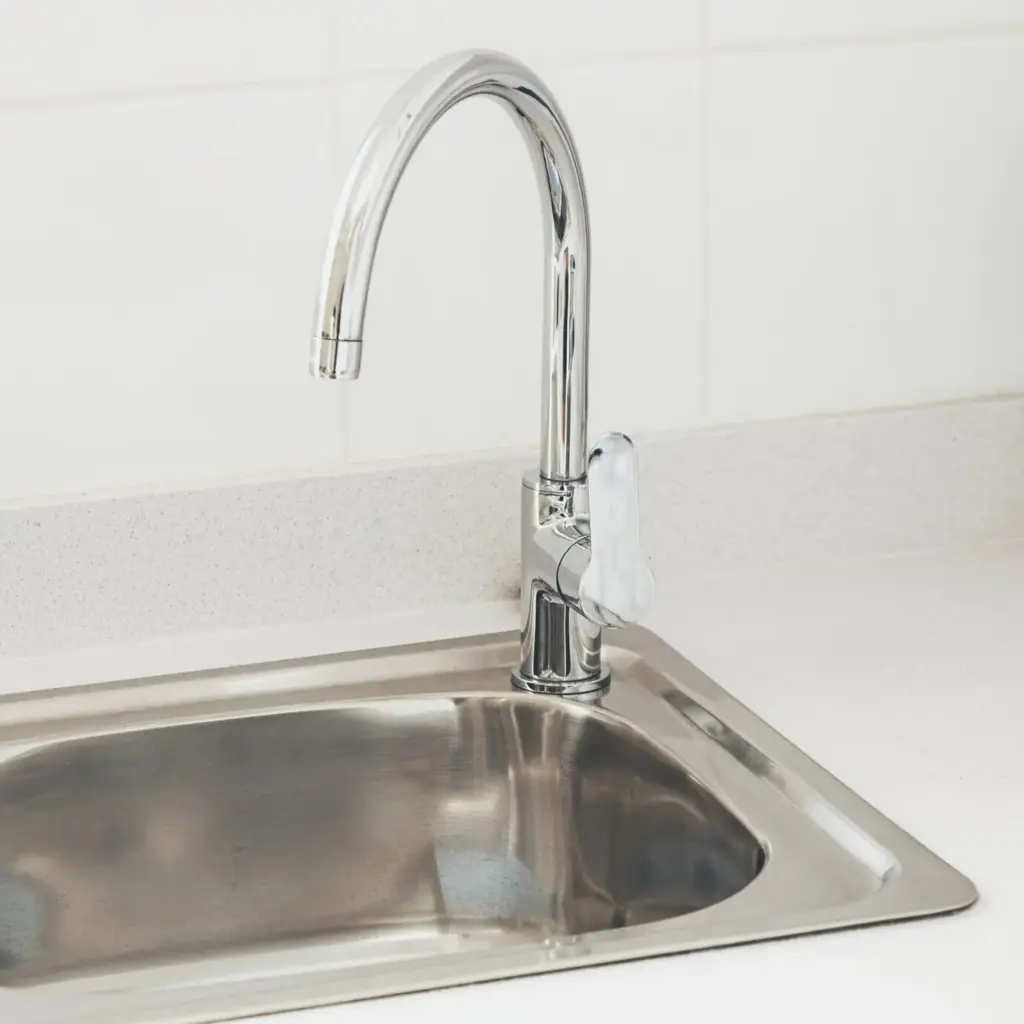
For caffeine devotees, a nook kitchenette can concentrate joy. Fit a water line for a compact maker, stash beans and cups in soft-close drawers, and mount a tile backsplash for easy cleanup. Under-cabinet lights sparkle, morning rituals shorten, and precious counter space in the main kitchen stays wonderfully clear.
Materials That Forgive and Endure

Materials must forgive bumps, resist moisture, and clean easily, especially in circulation zones. Favor durable laminates, furniture-grade plywood, enamel paint, and powder-coated metal. Rounded edges protect shins and kids. Finishes can either hide scuffs or celebrate patina. Choose responsibly sourced products and low-VOC coatings to keep indoor air healthy.

Smart Budget Lines

Start with a clear spending ceiling, then divide by functions: lighting, storage, surfaces, hardware, and contingency. Price both ready-made cabinets and local millwork. Savings often hide in standard depths and modular parts. Track receipts in one shared file, ensuring decisions stay grounded, even when a beautiful new idea tempts.

Phased Progress Without Chaos

Big dreams thrive in small steps. Install lighting and outlets first, then basic storage, then specialty pieces like desks or bench lifts. Each stage should improve daily life on its own. Weekend wins keep motivation high, while avoiding the mess and frustration of tackling everything at once and stalling.

When to Call a Pro

Call a pro when structure, electrical complexity, gas lines, or waterproofing enter the conversation. Good trades save money by preventing do-overs, and they finish cleanly. Bring them early, sketch your goals, and ask for pragmatic tweaks. Collaboration turns constraints into clever details that a solo effort might miss.

Design for Change, Not Just Today

Turn fixed decisions into adjustable ones. Add extra shelf pin holes, use modular boxes instead of glued dividers, and apply surface-mount lighting that can migrate. When new routines arrive, you will rearrange calmly rather than rebuild, extending the life and usefulness of every thoughtful inch you crafted.

Community Tips that Save Hours

Neighbors often solve problems you have not yet met. Post a photo, describe your layout, and invite feedback on clever hinges, durable paints, or kid-proof handles. Collect three suggestions, test the easiest, and report back. The loop of sharing strengthens design instincts and generously accelerates everyone’s progress.

Your Turn: Show Us the Before

Show us the awkward spot haunting your hallway or landing. Measure, sketch, and tell us what success would feel like next month. We’ll reply with tailored ideas. Join the mailing list for field-tested layouts, tool checklists, and before–after tours that cheer you forward when sawdust feels endless.
Tolenevekemuvozuzivumu
Privacy Overview

This website uses cookies so that we can provide you with the best user experience possible. Cookie information is stored in your browser and performs functions such as recognising you when you return to our website and helping our team to understand which sections of the website you find most interesting and useful.